Lipce Pond
The PeasantsLipce Pond is a recurring feature of village life and landscape, rendered not as a static backdrop but as a place that gathers the signs of weather, work, and social movement. Its waters and shores register the onset of cold and darkness, while the routes around it bring everyday village activity and a wedding procession into view.
Setting and Seasonal Change
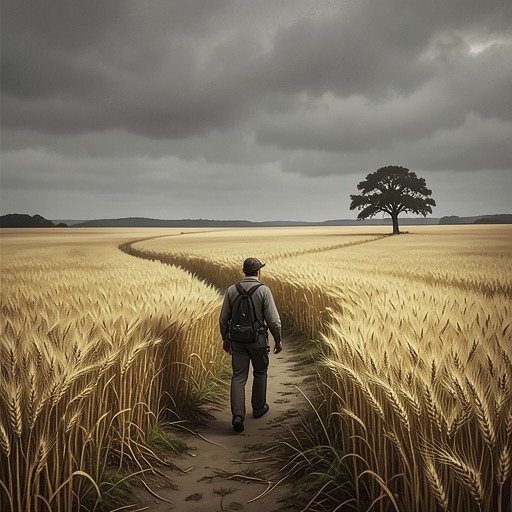
In one autumn scene, a piercing cold rises from the pond as low, heavy clouds cross the sky. The water mutters and splashes against its shores, bordered by stooping alders and willows. Women wash clothes along both banks, their wooden paddles striking vigorously, while geese wallow in muddy roads and ditches nearby. The pond belongs to an inhabited landscape of labor and movement, but the weather gives it a threatening edge: the sky suggests frost or worse weather ahead.
At dusk in another passage, the pond becomes a broad surface across which the village’s ordinary sounds carry distinctly. Livestock are driven to water; gates and well winches creak, and conversations, children’s shouts, and dogs’ barks travel across the water. Lights appear in cottage windows, their long reflections trembling in bright fragments on the pond. The scene makes the water a medium connecting homes and farmyards, while the approaching cold sharpens the sense of the day closing.
The Pond in Communal Life
The pond also lies along the route of Jagna’s wedding procession. After leaving Dominikowa’s home, Jagna, still dressed in her wedding clothes, walks with her mother, brothers, friends, musicians, and other guests around the pond toward the Boryna homestead. The procession moves through deepening mist beside water that has grown black in the gloom. Music and footsteps come in muffled bursts; the young people hum, and occasional calls and songs soon subside as the guests grow chilled in the damp air.
Narrative Significance
Across these scenes, Lipce Pond changes with the light and weather: it is a working shore in the cold, a reflective surface at evening, and a dark, mist-covered edge along a wedding route. Its recurring presence joins village labor to collective occasions without turning the landscape into mere scenery. The pond makes the changing season perceptible and gives the movement of people through Lipce a shared, physical setting.